
 PL (PLN)
 EN (GBP)
 EN (EUR)
Do you know that moment when, after lunch, your eyelids grow heavy, your focus disappears, and it becomes difficult to return to your duties? This afternoon dip in energy after eating, combined with excessive drowsiness, is a daily reality for many people – from large corporations, through smaller companies, to those working remotely. Suddenly, problems with concentration arise, productivity drops, and another cup of coffee seems like the only rescue from mounting fatigue. The good news? It doesn’t have to be this way. What you put on your plate largely determines how you function at the office. Diet and workplace performance are closely connected, and maintaining a stable energy level means better results, greater resilience to stress, and more satisfaction with what you do!
Authors: MSc Eng. Klaudia Buczek, MSc Pharm. Michał Miśta
Table of Contents:
- Why is drowsiness after a meal a common problem at work?
- Sleep disorders as a cause of drowsiness and fatigue at work
- What are the causes of drowsiness after a meal
- Excessive drowsiness after eating and diabetes or insulin resistance
- Excessive drowsiness after eating and reactive hypoglycaemia
- Fatigue after eating and thyroid disorders
- What is hypothyroidism and Hashimoto’s disease?
- Drowsiness at work and chronic fatigue syndrome
- Drowsiness at work and iron balance
- Drowsiness and the gut microbiota
- How to prevent drowsiness at work?
- Should post-meal drowsiness be consulted with a doctor?
- How can a dietitian help stabilise energy and improve concentration at work?
- References
- FAQ
1. Why is drowsiness after a meal such a common problem at work?
In an office or corporate setting, the post-lunch energy dip is a well-known issue – instead of focus, there comes increased drowsiness and reduced productivity. This happens because, after eating, the body directs part of its energy towards digestion. At this time, the parasympathetic nervous system becomes activated, responsible for stimulating the digestive system, rest, and recovery (commonly referred to in English as “rest and digest”). More blood flows to the digestive tract and less to the brain and muscles, which causes a noticeable drop in alertness. With heavy, fatty, or overly large meals, this effect can be even stronger. That is why postprandial drowsiness – the feeling of sleepiness occurring after eating – is such a widespread experience among office workers. Combined with a sedentary lifestyle, the body demands rest, and instead of working effectively, you find yourself battling drooping eyelids and struggling to concentrate.
Book an individual nutrition consultation
2. Sleep disorders as a cause of drowsiness and fatigue at work
If you often lack energy during the day and increased drowsiness keeps returning like a boomerang, the reason may not only be dietary mistakes but also sleep disorders. Even if you sleep “long enough”, poor-quality sleep means your body does not recover as it should. Interrupted sleep, frequent awakenings, or too short a deep sleep phase cause you to wake up tired in the morning, making it difficult to stay focused at work. As a result, every task takes more time, and your motivation quickly drops.
What is hypersomnia?
Unlike postprandial drowsiness, which occurs after eating and is usually a physiological phenomenon, hypersomnia is a more serious disorder. It is a condition in which, despite getting a full night’s sleep, you still feel excessive drowsiness during the day. This is not about ordinary “fatigue after a meal”, but about a problem that interferes with normal functioning – at work, at home, and in relationships with others. If you often feel you lack energy and persistent drowsiness follows you regardless of the time of day, it may be related to sleep disorders or other health conditions, and it is worth investigating further. While a properly balanced diet supports stable energy levels throughout the day, in the case of hypersomnia it is crucial to diagnose and treat causes not directly related to nutrition.
Obstructive sleep apnoea and daytime fatigue
One of the more common sleep disorders is obstructive sleep apnoea (OSA). This is a condition in which breathing repeatedly stops during sleep due to blockage of the upper airways. Although you may not notice these episodes, your body repeatedly interrupts sleep to restore breathing. As a result, night-time rest is shallow, does not allow full recovery, and leads to excessive drowsiness at work and fatigue during the day. This problem affects not only productivity but also overall health, increasing the risk of heart disease, hypertension, and diabetes. OSA is particularly common among people who are overweight or obese, as excess fat tissue around the neck can narrow the airways and cause them to collapse during sleep.
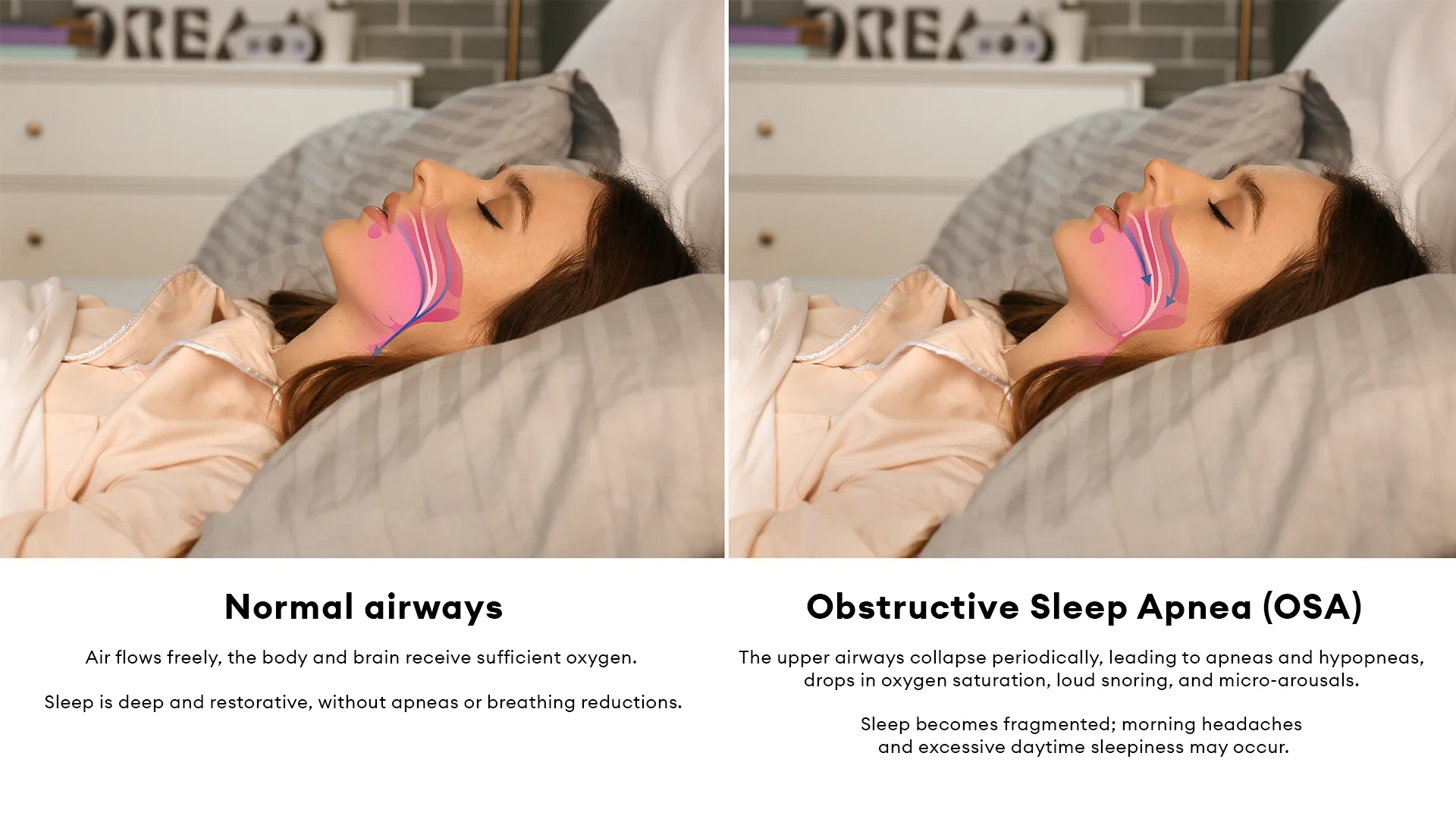
Figure 1. Obstructive Sleep Apnoea (OSA) is a sleep disorder in which collapsing upper airways lead to repeated pauses in breathing. The consequence is incomplete recovery of the body and excessive drowsiness upon waking. During the day, chronic fatigue and drowsiness occur at work, hindering concentration and reducing productivity.
Hypersomnia vs insomnia – differences between sleep disorders
Hypersomnia and insomnia are two different, though often confused, sleep disorders. The first is linked to excessive daytime sleepiness, while the second is related to difficulties with falling and staying asleep. Below is a table showing their key differences.
| Hypersomnia | Insomnia | |
| Definition | Excessive daytime sleepiness despite adequate or even prolonged night-time sleep. | Difficulty falling asleep, staying asleep, or waking up too early, leading to short and poor-quality sleep. |
| Main symptoms | Feeling unrested, frequent daytime naps, poor concentration, lack of energy. | Trouble falling asleep, frequent night-time awakenings, light sleep, morning fatigue. |
| Causes | Sleep disorders (e.g. obstructive sleep apnoea, narcolepsy), metabolic diseases, depression, chronic fatigue, side effects of medication. | Stress, anxiety, mental health disorders, chronic pain, somatic illnesses, stimulants (e.g. caffeine, alcohol), poor sleep hygiene. |
| Effects | Daytime drowsiness at work or school, reduced productivity, higher risk of accidents. | Impaired concentration, irritability, chronic fatigue, reduced quality of life. |
| Treatment | Identifying and treating the underlying cause (e.g. sleep apnoea therapy, medication adjustment, treatment of underlying illnesses), improving sleep hygiene. | Cognitive behavioural therapy for insomnia (CBT-I), medication in justified cases, stress reduction, improved sleep hygiene. |
Table 1. Hypersomnia vs Insomnia – terms that are often confused but in reality describe very different sleep disorders. The first is associated with excessive daytime drowsiness, while the second concerns problems with falling asleep and staying asleep.
3. What are the causes of drowsiness after a meal?
The reason for feeling sleepy is not always a heavy meal or a sleep disorder. The cause of postprandial drowsiness may lie deeper – in metabolic or hormonal disorders, or in deficiencies that affect the functioning of the whole body. This is why, for some people, fatigue after eating is only occasional, while for others it becomes a daily issue, significantly reducing concentration and productivity at work. Below are the most common causes of this problem.
Excessive drowsiness after eating and diabetes or insulin resistance
Insulin resistance is a condition in which the body’s cells respond less effectively to insulin – the hormone that enables glucose to move from the blood into cells to provide them with energy. In type 2 diabetes, in addition to insulin resistance, the pancreas gradually reduces insulin secretion over time, further intensifying problems with maintaining proper blood glucose levels. Initially, the body tries to compensate for reduced insulin effectiveness by increasing its production, but eventually this mechanism becomes insufficient. Despite higher insulin levels, tissues do not respond properly, preventing glucose from being used efficiently. As a result, glucose remains elevated for too long, leading to what is known as postprandial hyperglycaemia. The outcome is fatigue, sluggishness, and difficulties with concentration – particularly noticeable after carbohydrate-rich meals. No wonder people say that diabetes causes drowsiness – this phenomenon arises from disrupted carbohydrate metabolism and fluctuating glucose levels. If you often notice a drop in energy after eating, it may be a signal to take a closer look at your carbohydrate balance.
Excessive drowsiness after eating and reactive hypoglycaemia
Another cause of excessive drowsiness can be a carbohydrate metabolism disorder known as reactive hypoglycaemia. In this condition, blood glucose first rises sharply after a meal and then – usually within 2–4 hours – falls rapidly below normal. This most often occurs after meals rich in high-glycaemic index foods containing large amounts of carbohydrates, such as a large portion of white pasta, pancakes with jam, fruit dumplings, white bread, sweets, or sugary drinks.
The effect? A post-meal energy slump, increased drowsiness and weakness, along with other symptoms: dizziness, trembling hands, heart palpitations, or feelings of anxiety and nervousness. In such cases, it is difficult to return to work duties, and the thought of something sweet to quickly raise glucose levels pops into your mind. Unfortunately, eating a sugary snack helps only briefly – it triggers another sharp insulin spike followed by a rapid glucose drop, which worsens drowsiness and traps you in a vicious circle of fatigue.
Fatigue after eating and thyroid disorders
Your thyroid gland produces hormones that regulate the metabolic rate and directly influence energy levels. When its function is impaired, for example, when it produces too little hormone, the body switches into an “energy-saving mode.” This manifests as sleepiness, slower metabolism, poor concentration, and reduced productivity – also after meals. So, if you feel drowsy at work almost every day, and additionally notice weight fluctuations, dry skin, or persistent cold intolerance, thyroid disorders may be the cause.
What is hypothyroidism and Hashimoto’s disease?
Hypothyroidism is a condition in which the thyroid gland produces insufficient amounts of hormones – thyroxine (T4) and triiodothyronine (T3). These hormones play a key role in regulating metabolism, so their deficiency slows down vital processes. It manifests as chronic fatigue, excessive drowsiness, and sometimes problems with concentration, weight gain, and low mood. One of the most common causes of hypothyroidism is Hashimoto’s disease – a chronic autoimmune inflammation of the thyroid. In this condition, the immune system mistakenly recognises thyroid cells as foreign and gradually destroys them, leading to reduced hormone production. As a result, even if you sleep through the night, at work you may still feel low in energy, struggle to stay focused, and experience reduced efficiency.
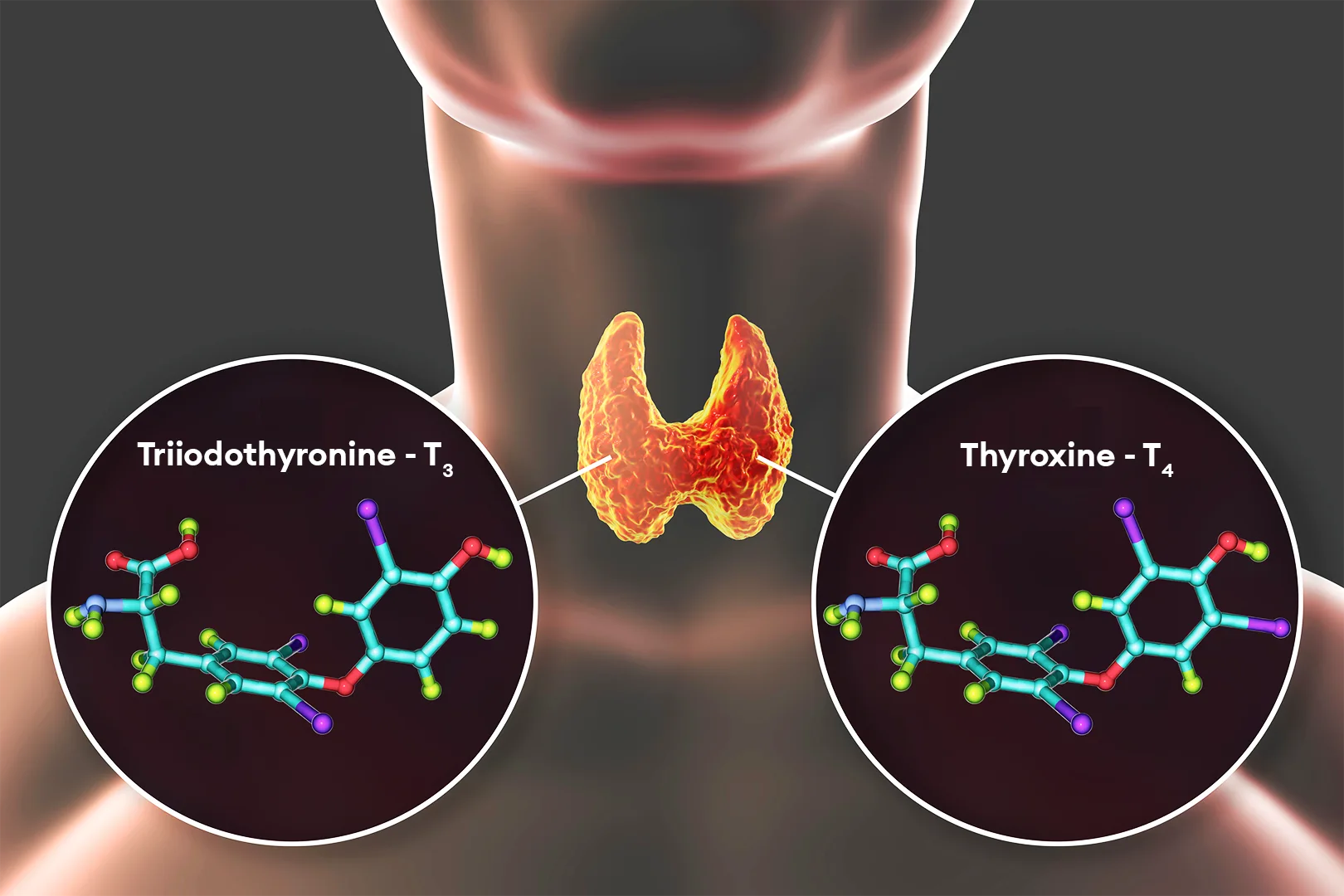
Figure 2. The thyroid gland produces the hormones triiodothyronine (T₃) and thyroxine (T₄), which regulate metabolism and determine how much energy we have throughout the day. Thyroid dysfunctions, such as hypothyroidism, can cause sleepiness, fatigue, and reduced concentration, even with sufficient sleep. This is why thyroid conditions are a significant cause of drowsiness both at work and in everyday life.
Drowsiness at work and chronic fatigue syndrome
Excessive drowsiness and lack of energy can also be symptoms of chronic fatigue syndrome (CFS/ME, Chronic Fatigue Syndrome / Myalgic Encephalomyelitis). This condition is characterised by extreme exhaustion lasting at least six months, which does not improve with rest or sleep. It is often accompanied by other issues: memory and concentration problems, muscle and joint pain, sleep disturbances, and a characteristic worsening of symptoms even after minor physical or mental effort. Notably, even small activities – such as a short walk or a conversation requiring focus – can trigger drowsiness, poorer concentration, and increased fatigue. Such persistent tiredness and lack of recovery make everyday functioning at work a major challenge – staying focused during meetings, completing tasks, or working under time pressure can become especially difficult. As a result, productivity declines, and the sense of low energy is almost constant. If you suspect CFS/ME, it is worth consulting a specialist – ideally an internist or neurologist – who can guide further diagnosis and treatment.
Drowsiness at work and iron balance
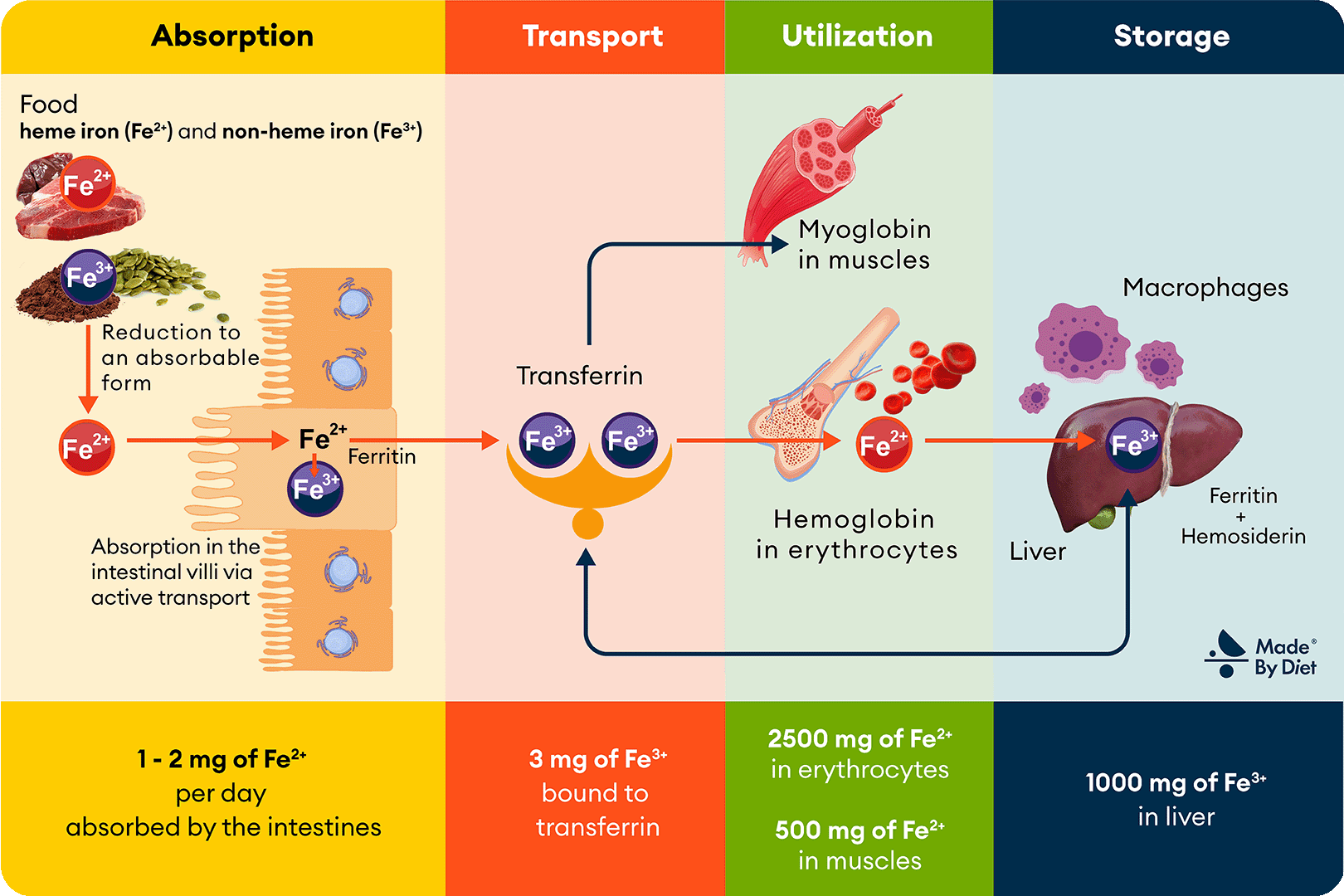
Another frequent cause of excessive daytime drowsiness is impaired iron metabolism. Iron is essential for transporting oxygen to cells and supports the proper functioning of the nervous system, including participation in the production of neurotransmitters responsible for concentration and mood. When its level, or the level of ferritin (the protein that stores iron), drops, increased sleepiness, fatigue, weakness, and concentration problems may occur. This is yet another cause of drowsiness that directly lowers your workplace performance. As a result, it becomes harder to stay focused during meetings, you tire more quickly, and you feel you lack energy even with simple tasks. Iron deficiency affects women more often, but it can occur in anyone – especially if the diet is low in iron-rich foods. Ensuring adequate iron levels is not only an investment in health but also a real improvement in everyday productivity.
Drowsiness and the gut microbiota
The gut microbiota is a community of billions of microorganisms living in our intestines, influencing not only digestion but also immunity and the functioning of the entire body. Increasingly, research shows that sleep quality and drowsiness are affected not only by lifestyle or metabolic conditions but also by the state of the gut microbiota. A 2024 meta-analysis [10] found that changes in microbiome composition may be linked to sleep disorders and excessive daytime drowsiness. Importantly, a diet rich in fibre and probiotics supports better night-time recovery and more stable energy levels at work.
4. How to prevent drowsiness at work?
Excessive drowsiness at work does not have to be your daily reality. While it is not always possible to completely eliminate all the causes of sleepiness, you can greatly influence them through everyday choices – from what you eat, how much you sleep, to your lifestyle and daily routine. Introducing a few simple changes can help you maintain stable energy levels, improve concentration, and boost efficiency in carrying out your professional duties.
Healthy eating habits at work – what to eat to maintain energy
What and when you eat during the day has a direct effect on your focus and energy levels. At work, it is particularly important to eat regularly – ideally every 3–4 hours. This helps maintain a stable blood glucose level, ensuring a steady supply of energy, better concentration, and higher productivity. Regular meals also help prevent drowsiness and sudden drops in performance throughout the day.
The composition of your meal is equally important. Postprandial drowsiness often occurs after meals high in carbohydrates, especially those with a high glycaemic index, which are digested quickly and cause sharp fluctuations in blood sugar levels. If your goal is to work more efficiently and avoid drowsiness, make sure your lunch contains protein (e.g. lean meat, fish, eggs, legumes), healthy fats (e.g. nuts, avocado, olive oil), low- or medium-glycaemic index carbohydrates (e.g. buckwheat, lentils), and fibre (e.g. vegetables, whole grains). Eating such a balanced meal ensures that glucose is released gradually into the bloodstream, supporting stable blood sugar levels and protecting against sudden energy crashes.
Avoid meals dominated solely by carbohydrates – such as a large portion of pasta or rice, as well as sweetened drinks and desserts. These provide only short bursts of energy and quickly trigger drowsiness.
The portion size also matters. Overly large meals – for example, soup followed by a main course and dessert – stimulate the parasympathetic nervous system, which activates the “rest and digest” mode rather than the “action” mode. As a result, instead of feeling energised, you experience drowsiness, heaviness, and the urge to nap. That’s why, when planning meals at work, it is better to choose smaller portions and eat more frequently – this helps you stay light, focused, and maintain steady energy levels throughout the day.

Figure 3. Examples of healthy meals ideal for work. The image shows lunch sets combining protein, complex carbohydrates, and vegetables. Such a composition prevents sharp glucose spikes, which may cause drowsiness. Postprandial sleepiness is most often triggered by meals that are too large, which is why the key factors at work are: regularity, composition, and portion size.
Managing stress at work and its impact on concentration
Stress is part of everyday office life – deadlines, meetings, emails, and a fast pace make the body operate in a “fight or flight” mode. In the short term, this can be motivating, but chronic stress leads to poor concentration, memory problems, fatigue, and increased drowsiness during the day. This happens because elevated levels of cortisol and adrenaline disrupt the circadian rhythm, impair sleep quality, and hinder recovery.
Effective stress management is one of the key elements in maintaining energy and productivity at work. Short breaks for deep breathing, walking around the office, or a few minutes of simple stretching exercises help reduce tension and restore focus. Relaxation techniques such as mindfulness or short awareness-based practices can also be incorporated into even a busy schedule. These strategies make it easier to stay focused, work efficiently, and avoid energy crashes.
The impact of night and shift work on circadian rhythm and drowsiness
Your body follows a natural circadian rhythm – during the day it is programmed for activity, while night is dedicated to rest and recovery. Shift or night work disrupts this rhythm, which quickly affects energy levels, concentration, and overall health. When you work at night and try to catch up on sleep during the day, rest tends to be shorter, lighter, and less restorative. As a result, fatigue, excessive drowsiness, poor concentration, and reduced productivity appear. Furthermore, a disrupted circadian rhythm affects hormonal balance and metabolism – increasing the risk of weight issues, insulin resistance, and high blood pressure.
Therefore, people working shifts should pay particular attention to sleep hygiene by ensuring their bedroom is as dark as possible, avoiding caffeine 4–6 hours before sleep, choosing light meals at night, and keeping rest times as regular as possible. These simple steps help at least partially reduce the effects of a disrupted biological clock and prevent daytime drowsiness.
5. Should post-meal drowsiness be consulted with a doctor?
Occasional drowsiness after lunch happens to everyone and most often results from what you eat, too little sleep, stress, or excessive workload. However, if fatigue and marked drowsiness occur regularly and become part of your daily routine, it is worth treating this as a warning sign and consulting a specialist.
Carrying out basic diagnostic tests makes it possible to rule out or confirm health conditions that may be causing excessive drowsiness. It is particularly advisable to consider them when:
- drowsiness and excessive fatigue persist despite lifestyle changes – you take care of your sleep, diet, and physical activity, yet still feel a lack of energy,
- other symptoms are present: heart palpitations, dizziness, weight fluctuations, chronic fatigue, poor concentration, or mood problems,
- the symptoms affect your daily work and functioning – you struggle to stay focused during meetings, your efficiency decreases, and tasks take longer than before.
In such cases, basic laboratory tests can be very helpful in checking whether postprandial drowsiness has an underlying health cause. It is worth testing, among others:
- TSH and thyroid hormones (FT3, FT4),
- fasting glucose and insulin levels, and if necessary also a glucose tolerance test (OGTT) for a more detailed diagnosis of insulin resistance, diabetes, or reactive hypoglycaemia,
- iron metabolism tests (blood count, ferritin, iron levels).
Such preventive testing, combined with a thorough medical interview, often helps identify the real cause of drowsiness and implement measures that improve health, stabilise energy levels, and clearly enhance productivity at work.

Figure 4. Regular diagnostic tests are crucial when drowsiness and fatigue at work occur too frequently. For many people, eating a meal is linked with a short energy dip, but if the symptoms are persistent, it is important to investigate their cause. It is no coincidence that both diabetes and untreated insulin resistance are associated with drowsiness. Simple tests such as glucose, insulin, or ferritin levels can help find the cause of the problem, select appropriate treatment, or eliminate factors that may worsen post-meal drowsiness.
6. How can a dietitian help stabilise energy and improve concentration at work?
Post-meal drowsiness and energy dips do not have to be part of your everyday life. At Made By Diet®, we support employees and entire teams in building healthy habits that directly translate into better concentration and efficiency at work.
During individual nutrition consultations, we help identify the causes of drowsiness – analysing lifestyle, diet, and laboratory test results, including glucose levels and ferritin. If necessary, we also recommend a body composition analysis to assess fat mass, muscle mass, and the body’s basic energy requirements. Thanks to this, we can propose effective solutions and, if needed, introduce diet therapy tailored to your needs and work style.
Book an individual nutrition consultation
We also provide nutrition workshops for employees, organised in collaboration with companies and HR departments. During these sessions, we show how to take practical care of eating habits at work and implement simple routines that support health and wellbeing. This is not just about nutrition knowledge – it’s about building a culture of health within the company, one that truly supports focus, productivity, and team engagement. Companies that invest in their employees’ healthy habits gain not only a healthier and more motivated workforce but also make a real investment in long-term wellbeing and organisational success.
Nutritional education is a great starting point – it demonstrates how to build good habits and look after your health. However, it is your everyday choices that have the greatest impact on how you feel and perform at work. Conscious decisions about food can transform your whole day – from sharper concentration and stable energy levels to greater satisfaction with your tasks. Small steps, repeated consistently, bring significant results and help prevent drowsiness that can seriously undermine productivity.
7. References
-
- Biochemical, Physiological, and Molecular Aspects of Human Nutrition, 4th Edition, Martha H. Stipanuk,Marie A. Caudill, 2018, ELSEVIER https://www.eu.elsevierhealth.com/biochemical-physiological-and-molecular-aspects-of-human-nutrition-9780323441810.html
- Textbook of Medical Physiology, Arthur C. Guyton, Michael E. Hall, 15th edition 2025, ELSEVIER https://www.eu.elsevierhealth.com/guyton-and-hall-textbook-of-medical-physiology-9780443111013.html
- BiochemistryJeremy Berg; Gregory Gatto Jr.; Justin Hines; John L. Tymoczko; Lubert Stryer 10th edition 2023, Macmillan Learning https://www.macmillanlearning.com/ed/uk/product/Biochemistry–10th-edition/p/1319498507
- Oxford Handbook of Sleep Medicine, Guy Leschziner (ed.), Oxford University Press 2022, https://doi.org/10.1093/med/9780192848253.001.0001
- Sen i zaburzenia snu od narodzin do dorosłości, Kaczor Magda, Szczęsna Magdalena, PZWL Wydawnictwo Lekarskie 2024, https://pzwl.pl/Sen-i-zaburzenia-snu-od-narodzin-do-doroslosci,222482145,p.html
- Medycyna snu. Tom 1, Jacek Wolf, Karol Grabowski, Artur Mamcarz, Michał Skalski, Adam Wichnik, PZWL Wydawnictwo Lekarskie 2024, https://pzwl.pl/Medycyna-snu-1,269862209,p.html
- Meal Composition and Its Effect on Postprandial Sleepiness, Physiology & Behavior, William C Orr, Gregory Shadid, Michael J Harnish, Sigrid Elsenbruch, Volume 62, Issue 4,1997, Pages 709-712, ISSN 0031-9384, https://doi.org/10.1016/S0031-9384(97)00012-7 https://www.sciencedirect.com/science/article/pii/S0031938497000127
- The role of IL-1 in postprandial fatigue, Louise L. Lehrskov, Emma Dorph, Andrea M. Widmer, Matthias Hepprich, Judith Siegenthaler, Katharina Timper, Marc Y. Donath, Molecular Metabolism, Volume 12, 2018, Pages 107-112, ISSN 2212-8778, https://doi.org/10.1016/j.molmet.2018.04.001, https://www.sciencedirect.com/science/article/pii/S2212877818301066
- Bariatric surgery and obstructive sleep apnea: a systematic review and meta-analysis, Al Oweidat K, Toubasi AA, Tawileh RBA, Tawileh HBA, Hasuneh MM. , Sleep Breath. 2023 Dec;27(6):2283-2294. doi: 10.1007/s11325-023-02840-1. Epub 2023 May 5. PMID: 37145243, https://link.springer.com/article/10.1007/s11325-023-02840-1
- The Microbiota-Gut-Brain Axis in Metabolic Syndrome and Sleep Disorders: A Systematic Review. Dos Santos A, Galiè S. 2024 Jan 29;16(3):390. doi: 10.3390/nu16030390. PMID: 38337675; PMCID: PMC10857497, https://www.mdpi.com/2072-6643/16/3/390
- Fizjologia żywienia, Hanna Krauss, PZWL Wydawnictwo Lekarskie 2019, https://pzwl.pl/Fizjologia-zywienia,103303269,p.html
- Medycyna stylu życia, Daniel Śliż, Artur Mamcarz, PZWL Wydawnictwo Lekarskie 2018, https://pzwl.pl/Medycyna-stylu-zycia,75276296,p.html
- Badania laboratoryjne w dietetyce, A. Dittfeld, D. Parol, Patrycja Pieszczek-Bober, Natalia Mogiłko, Edra Urban & Partner, Wrocław 2024, https://pzwl.pl/Badania-laboratoryjne-w-dietetyce,252927540,p.html
- Współczesna dietoterapia, Lange Ewa, Włodarek Dariusz, PZWL, Warszawa 2022, https://pzwl.pl/Wspolczesna-dietoterapia,197971021,p.html
- Ach ten Cukier, Anna Reguła, Wydawnictwo M, Kraków 2020, https://wydawnictwom.pl/o-zdrowiu/7494-ebook-ach-ten-cukier-odzywianie-w-cukrzycy-insulinoopornosci-i-otylosci-9788380436916.html
FAQ
Postprandial drowsiness is a natural phenomenon – the body activates the parasympathetic nervous system (“rest and digest”), which channels energy into digestion. If sleepiness is pronounced, the cause may be a poorly composed meal, an excess of simple sugars, or health issues such as insulin resistance, reactive hypoglycaemia, thyroid disorders, or iron deficiency.
Sleepiness after eating often stems from what’s on your plate. Meals rich in simple sugars trigger a rapid rise in blood glucose followed by a sharp drop. These fluctuations cause drowsiness and reduced concentration. Heavy, fatty dishes further burden the digestive system, diverting energy from mental activity. A sedentary lifestyle intensifies this effect.
Most often, it’s about what and how much we eat. Foods high in simple sugars cause a quick spike and then a fall in blood glucose. Large, fatty meals slow digestion and load the gut, so the body directs more energy to digestive processes – increasing sleepiness and lowering focus.
Choose your lunch wisely. Low-glycaemic index meals combined with protein and healthy fats help stabilise blood glucose and prevent sudden energy dips. Avoid overeating – smaller portions reduce the risk of drowsiness and make it easier to stay focused until the end of the day.
Plan several smaller meals across the day containing protein, fibre, and healthy fats. Base them on low- or medium-glycaemic index foods to ensure a steady energy supply.
Occasional sleepiness after meals is physiological and usually nothing to worry about. If it occurs daily and disrupts work, look for a cause. It may be linked to insulin resistance, diabetes, reactive hypoglycaemia, hypothyroidism, or low iron/ferritin.
Mild post-meal drowsiness is physiological. If it is severe, regular, and impairs functioning, it may indicate health problems such as insulin resistance or reactive hypoglycaemia.
Opt for water, unsweetened tea, or coffee in moderation. Good hydration supports concentration and reduces fatigue, while avoiding sugary drinks prevents glucose swings that can intensify drowsiness.
A balanced diet including protein, fibre, fats, and moderate carbohydrates helps prevent post-meal drowsiness, improves concentration, and lowers stress susceptibility – boosting efficiency. Stable glycaemia = stable energy.
Usually, meals that are too heavy or have a high glycaemic index/load, which cause sharp glucose swings. Fatigue can also stem from metabolic disorders (e.g. reactive hypoglycaemia) or hormonal and iron-balance problems.
Regular breaks, hydration, and light movement (e.g. a short walk or stretching) improve circulation and concentration. Avoid overly large meals and prioritise quality night-time sleep.
Choose light meals built from wholegrains, vegetables, lean protein, and healthy fats. Instead of heavy, fatty dishes or sweets, go for a grain-and-chicken salad, a wholegrain sandwich, or natural yoghurt with nuts and fruit.
Insomnia, hypersomnia, and obstructive sleep apnoea (OSA). Insomnia and OSA impair night-time recovery; in hypersomnia the problem is excessive daytime sleepiness despite sleeping through the night. All lead to fatigue and reduced concentration, and untreated they increase risks of heart disease, hypertension, and diabetes.
Chronic stress raises cortisol, disrupts the circadian rhythm, and lowers sleep quality. The result is more drowsiness, fatigue, and concentration problems. Stress can also worsen unhealthy eating habits (sweets, ultra-processed foods), further destabilising energy and productivity.
Night and shift work disrupt the circadian rhythm, reducing sleep quality and recovery. This leads to chronic fatigue, concentration problems, and a higher risk of metabolic disorders (e.g. insulin resistance).
Sweets, sugary drinks, white bread, and very fatty dishes. High-GI meals cause sharp glucose fluctuations that intensify fatigue after eating.
Eat regular, well-balanced meals, drink enough water, take movement breaks, and maintain good sleep hygiene. These simple habits support concentration, reduce fatigue, and build long-term wellbeing.
Emerging evidence links gut microbiota composition with sleep quality and daytime drowsiness. A 2024 meta-analysis indicates that a diet rich in fibre and probiotic foods supports better night-time recovery and more stable energy at work.
A sleep disorder characterised by excessive daytime sleepiness despite sleeping at night. It presents with low energy, poor concentration, and a need for naps.
Postprandial drowsiness occurs after eating and is usually physiological. Hypersomnia involves persistent daytime sleepiness regardless of meals. If fatigue persists, consult a specialist.
Hypersomnia = excessive daytime sleepiness. Insomnia = difficulty falling asleep, frequent awakenings, or too short a sleep duration. They are distinct disorders, though often confused.
A disorder where upper airways become blocked during sleep, causing brief pauses in breathing. It leads to shallow, non-restorative sleep, excessive workplace drowsiness, and daytime fatigue.
Yes. Low iron or ferritin can lead to anaemia, causing weakness, fatigue, and poor concentration – a common cause of chronic sleepiness, especially in women.
Yes – OSA, frequent awakenings, or insufficient deep sleep impair recovery, resulting in chronic fatigue and drowsiness even after a full night in bed.
Caffeine can temporarily boost alertness but doesn’t address root causes. Excess coffee may worsen sleep quality and increase next-day drowsiness. Prefer regular, balanced meals and sound sleep hygiene.
Key tests include fasting glucose and insulin, oral glucose tolerance test (OGTT), iron metabolism (full blood count, ferritin, serum iron), and thyroid markers (TSH, FT3, FT4). Sleep-disorder diagnostics may also help.
A dietitian conducts a nutrition and health assessment and, if needed, recommends tests (glucose, ferritin, thyroid hormones). They can pinpoint causes of fatigue, adjust diet and lifestyle, and, where appropriate, implement diet therapy and supplementation to optimise energy.
Increased sleepiness after meals reduces focus and slows work pace. Tasks take longer and quality drops. Over time, this can lower the efficiency of the whole team.
Made By Diet® runs educational sessions, cookery workshops, webinars, and individual consultations led by dietitians. They teach how to implement healthy workplace eating habits that support energy, concentration, and team wellbeing.
Training shows how proper eating habits can ensure optimal energy, reduce post-meal drowsiness, and improve focus. It covers the main causes of workplace sleepiness and teaches how to support health, wellbeing, and overall team performance.
Employees learn how to compose work meals, which foods to avoid, and how to maintain energy throughout the day. This practical support reduces postprandial sleepiness and improves workplace wellbeing.
Offered by Made By Diet®, it assesses fat mass, muscle mass, hydration, and energy requirements. Employees gain practical insights, and companies can better tailor wellbeing initiatives. Regular analysis raises nutrition awareness, improving focus and team productivity.
Regular, well-composed meals help maintain stable energy and concentration. Staff feel less tired, reach for sweets and caffeine less often, and their stress resilience and overall wellbeing improve.
You may also be interested in:

How Diet and Lifestyle Affect Your Immunity?
The immune system is indispensable to our survival. Its primary function is to constantly…

The Mediterranean Diet – Discover the Principles and Foods of the Healthiest Cuisine in the World!
This diet influences not only physical health but also the way we think about food and…
Iron in the Diet: Iron-Rich Foods, Excess and Deficiency Symptoms
Iron - although present in your body in an amount of only about 4 grams—plays a crucial…